The etymology of Finding Nemo and wine milked from an oyster
- Anna Jane Begley
- Feb 11, 2024
- 3 min read
Updated: Mar 4, 2024
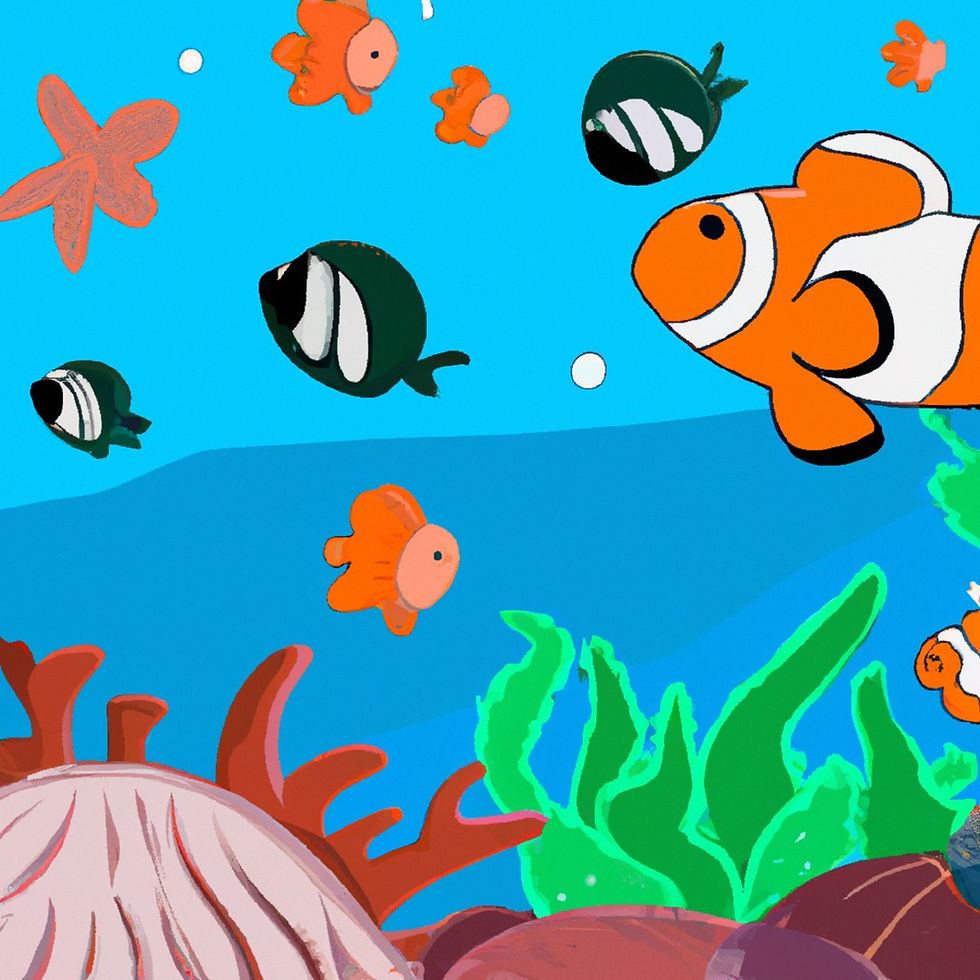
With dirgeful Disney remakes shat out of the corporate filmmaking machine in recent years like The Little Mermaid – its ocean more akin to an English river managed by Thames Water than a fantasy seaworld – the shimmering fuchsias, oranges and ceruleans of 2003’s Finding Nemo seem like a distant memory.
Finding Nemo is potentially one of the best animations of the 21st century, reminiscent of a time where Pixar seemed to lay golden egg after golden egg, although every film will have its negative criticism (I’m particularly fond of Stephanie Zacharek’s opinion that this maritime masterpiece is in fact too beautiful, so much so that it becomes tiring to look at. First world problems at their finest).
But the film isn’t just a pretty face. The titular sea creature’s name has an obscure origin story and one that has spawned many fan theories.
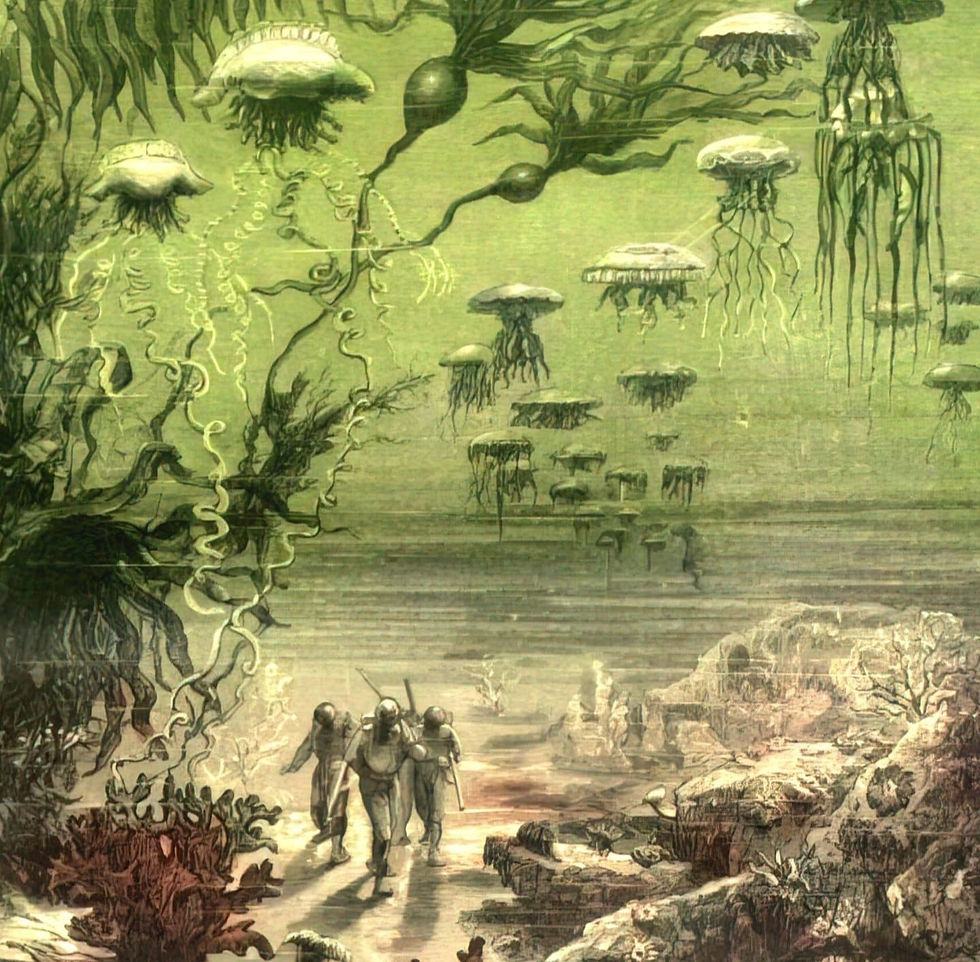
Some have stipulated that the adventurous clownfish-child is named after Captain Nemo of Jules Verne’s science fiction novels Twenty Thousand Leagues Under the Sea (1870) and The Mysterious Island (1875) which is plausible: each story tells of the curious protagonist’s undersea adventures where he meets a plethora of crazy-looking sea creatures and, like fish, he’s not a fan of humans. Alas, that is where the similarities end.
As weary Odyssey-reading English and Classics graduates know, nemo is Latin for nobody. Step forth the zaniest fan theory – Nemo doesn’t actually exist. He’s a figment of Marlin’s imagination; the story an allegory for the various stages of grief for Marlin’s slaughtered family.
As one Reddit user succinctly puts it: “Marlin, (who is incidentally not a marlin, but a clownfish), never actually had a son, but was tripping balls and hallucinated an entire feature length film.”
This hypothesis would be convincing if the film wasn’t followed by Finding Dory in which Nemo is alive and well, accompanied by a seemingly sane Marlin. I myself quite like the idea that it's a reference to the Odyssey, an epic poem about a man’s journey across the sea, his ultimate quest being to find his way home to his family.
Alternatively, it’s simply a nickname for anemone fish – another term for clownfish.

Onto the wine: while an Australian bottle would make sense given the film’s context, I couldn’t resist this Italian white conceived, quite literally, under the sea. The Mormoraia Ostrea Vernaccia di San Gimignano from Tuscany uses vernaccia grapes grown from land that was once beneath sea level and contains fragments of ancient oyster shells.
It has a gorgeously fresh salinity, evocative of that moment after you’ve swallowed a fresh oyster, when you pretend to have enjoyed that snot-like sensation and you’re left with the only good thing about eating oysters: that aftertaste of the sea – a crystal clear turquoise one (let's say somewhere in the Caribbean).
It’s followed by notes of dried herbs, lemon, apricot and a touch of woody vanilla. At a blind tasting, perhaps one would mistake it for a white burgundy that’s been retrieved from what’s left of the Titanic’s cellars.
The name itself, Ostrea, of course means “oyster” or, to go back to the Ancient Greek, “bone”, although the term is also related to ostrakon which were pieces of pottery on which the Greeks would write down the names of troublemakers they wanted banished. If 6,000 of these pieces had the same name, the man would be sent away from Greek society, or “ostracised”.
There is a certain romanticism in the fact that Nemo, too, was separated from his society, i.e. the entire Pacific ocean. Sadly, this argument doesn’t quite work, nor is there evidence that the ancient Italian wine and the 2003 Pixar animation are in any way related. It was worth a try.

Finding Nemo is on Disney+; Mormoraia Ostrea, from Lea & Sandman is £20.95



Comments